Protein Metabolism Fundamentals
How the body processes dietary protein and uses amino acids for physiological functions.
Amino Acids: Building Blocks
Proteins are composed of amino acids—organic molecules containing a nitrogen-containing amino group and an acid carboxyl group. The body can synthesize some amino acids (non-essential amino acids), but must obtain others from dietary sources (essential amino acids). There are 20 amino acids used in human proteins, with 9 considered essential.
Protein Digestion
Protein digestion begins in the stomach, where hydrochloric acid denatures proteins and the enzyme pepsin cleaves peptide bonds between amino acids. This process continues in the small intestine, where pancreatic proteases and intestinal peptidases complete the breakdown into individual amino acids and small peptide fragments.
These amino acids are then absorbed across the intestinal epithelium into the bloodstream, where they circulate to tissues throughout the body.
Amino Acid Roles Beyond Energy
Unlike carbohydrates and fats, the body does not store proteins in the same way. Instead, amino acids are used for ongoing protein synthesis—the continuous building and repair of tissues including muscle, skin, hair, enzymes, and immune proteins.
Amino acids also serve as precursors for neurotransmitters, hormones, and other regulatory molecules. Each amino acid has specific roles in physiological processes beyond simply providing energy.
Muscle Protein Turnover
Muscle proteins are continuously broken down and rebuilt—a process called protein turnover. This turnover is influenced by physical activity, nutrient availability, age, and hormonal status. Resistance exercise increases protein turnover and can promote greater protein synthesis relative to breakdown.
Adequate dietary protein and amino acid availability support positive protein balance, where synthesis exceeds breakdown, contributing to tissue maintenance and adaptation.
Nitrogen Balance
Because amino acids contain nitrogen and carbohydrates and fats do not, dietary protein intake directly affects nitrogen balance. Positive nitrogen balance occurs when nitrogen intake exceeds nitrogen excretion (primarily through urine), suggesting net protein retention. Negative nitrogen balance indicates greater protein loss than intake.
Protein Quality and Amino Acid Profile
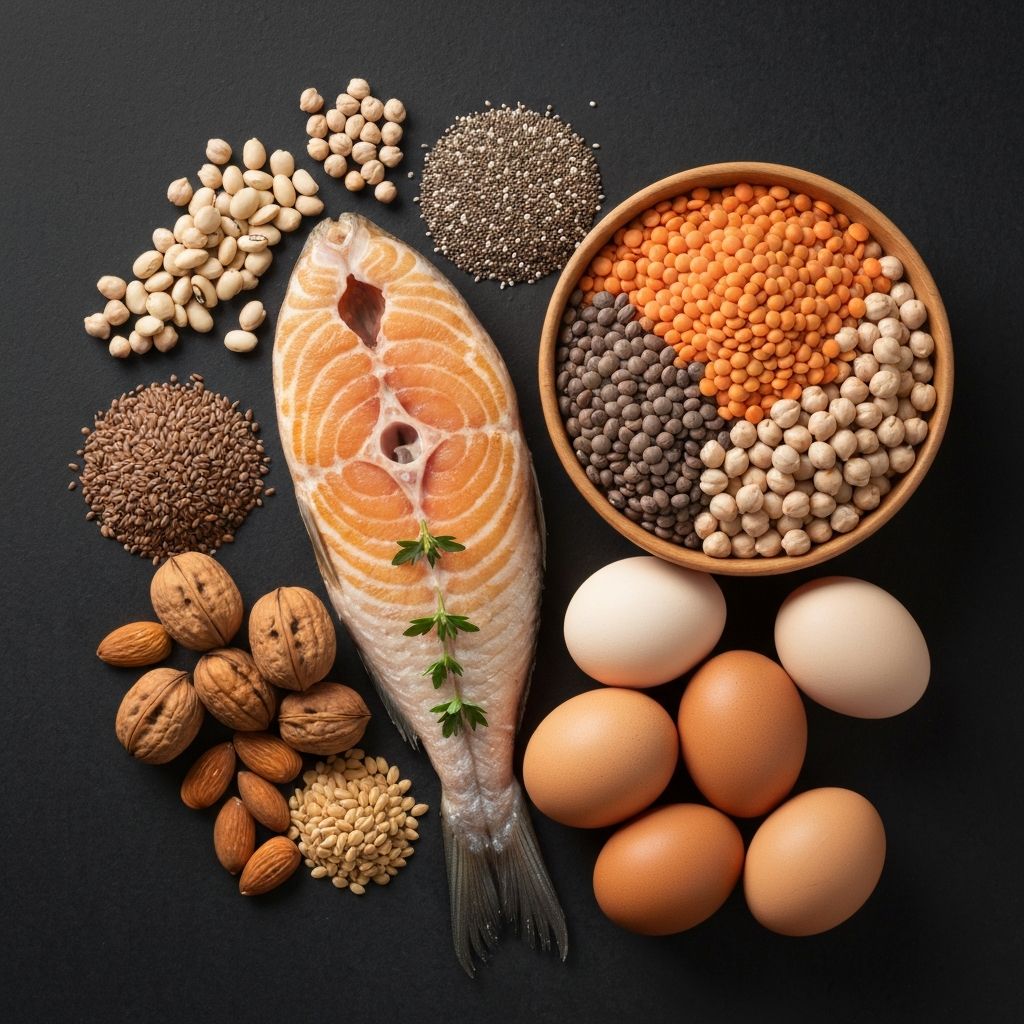
Protein quality depends on amino acid composition and digestibility. Complete proteins contain all 9 essential amino acids in adequate amounts; incomplete proteins lack one or more essential amino acids. Food combinations can complement incomplete proteins—for example, legumes and grains together provide all essential amino acids.
Individual Amino Acid Metabolism
Different amino acids follow distinct metabolic pathways. Branched-chain amino acids (leucine, isoleucine, valine) are metabolized primarily in muscle tissue and play special roles in regulating protein synthesis. Other amino acids are metabolized primarily in the liver.
Energy From Protein
While protein can be used for energy (4 calories per gram), this is not its primary role when carbohydrates and fats are available. During prolonged fasting or severe energy restriction, amino acids can be broken down and converted to glucose or ketones for energy. However, this represents a secondary function.
Important Context
This article explains protein metabolism and physiological roles of amino acids. Protein requirements vary based on age, sex, activity level, health status, and individual circumstances. Professional guidance is appropriate for determining individual protein needs and addressing specific nutritional concerns.
Continue Exploring
Related articles that expand on these concepts: